Yes, SEO is still worth learning in 2026. Google’s December 2025 core update proved that sites with real depth and genuine experience win, while thin content keeps losing ground. This shift makes SEO skills more valuable, not less.
So is learning SEO worth it in 2026? The short answer is yes, but only if you learn it the right way. This guide breaks down exactly why.
What Is SEO?
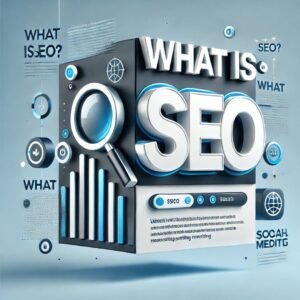
SEO stands for search engine optimization. It is the process of making a website easier for search engines to find, understand, and rank.
At its core, SEO covers three things. First, technical setup, which means your site loads fast and works well on mobile. Second, content quality, which means your pages actually answer what people search for. Third, authority, which means other trusted sites and sources point back to you.
SEO used to be simpler. You picked a keyword, stuffed it into your page, and waited for rankings to climb. That approach stopped working years ago. Today, search engines use AI to judge whether content is genuinely useful, well researched, and written by someone who knows the topic. Google explains its own quality expectations in the Search Quality Rater Guidelines, and it is worth a skim if you want to understand this from the source.
What Is SEO and Why Does It Matter in 2026?
Search behavior has changed a lot. People now ask questions directly to AI tools like Google’s AI Overviews, ChatGPT, and Perplexity. This means SEO is no longer just about ranking on a results page. It is also about getting picked up and cited inside AI answers.
Google’s December 2025 core update made this shift obvious. Search data providers reported that a large share of pages sitting in the top 10 before the update fell out of the top 100 completely once it finished. That is a massive reshuffle, and it tells you Google is getting stricter about what counts as genuinely helpful content.
Analysts who studied the update found that strong rankings after December 2025 were tied to a mix of quality signals working together, including page speed, content depth, site trust, and how often a page gets updated. In other words, good writing alone is not enough anymore. Your site needs speed, depth, and consistency too.
This is exactly why SEO matters more in 2026, not less. Businesses that ignore it are watching competitors take their traffic. Businesses that understand it are adapting fast and pulling ahead.
Is Learning SEO Worth It in 2026?
Here is the honest picture. Is learning SEO worth it in 2026? For most marketers, business owners, and freelancers, the answer is a clear yes.
The reason is simple. Every business with a website needs visibility, and visibility depends on search rankings. Paid ads get expensive fast, and social platforms change their algorithms constantly. SEO remains one of the few skills that keeps generating traffic long after you do the initial work.
That said, learning SEO in 2026 is different from learning it five years ago. You are not just learning how to rank on Google anymore. You are learning how to structure content so AI tools can understand and quote it too. This dual skill set, ranking on Google and getting cited by AI, is what makes SEO such a valuable skill right now.
Why Businesses Still Need SEO
Some people assume AI chatbots will replace search engines completely. That has not happened, and it likely will not happen soon.
Most businesses, from local clinics to online stores, still depend on organic search for a large share of their customers. Even AI Overviews pull their answers from real websites, which means those websites still need strong SEO to get chosen as a source.
Local businesses need SEO to show up in map results. E-commerce brands need it to compete in crowded product categories. Content sites need it to earn ad revenue and affiliate income. None of these needs are going away in 2026.
Benefits of Learning SEO
Learning SEO gives you a skill that applies across almost every industry. Here are the biggest benefits.
- You can work as a freelancer, in-house specialist, or agency consultant.
- You understand how to make content genuinely useful, not just keyword heavy.
- You gain a skill that pairs well with content writing, web design, and marketing.
- You can grow your own website or business without depending on paid ads.
- You build a long-term asset, since ranking content keeps bringing traffic for months or years.
SEO also teaches you how search engines and AI models actually process language. This knowledge is useful even outside marketing, especially as AI search tools grow.
Challenges of Learning SEO in 2026
Learning SEO today comes with real challenges too, and you should know them upfront.
Google updates its algorithm often, and each update can shift rankings without warning. What worked last year might not work this year, so you have to keep testing your approach.
Competition has also grown. More people are creating SEO content, which means standing out requires real research and original insight, not recycled advice. Beginners sometimes get discouraged when results take months instead of days.
Finally, SEO now overlaps with AI search optimization, a newer and less documented field. You have to learn traditional SEO and newer concepts like Answer Engine Optimization at the same time.
What Skills Do You Need to Become an SEO Professional?
If you want to build a career in SEO, focus on these core skills.
Keyword research. You need to know how to find what people actually search for, including long-tail phrases and question-based queries.
Content writing. SEO is mostly about writing content that solves a real problem clearly and directly.
Technical basics. You do not need to code, but you should understand site speed, mobile design, and how search engines crawl a website.
Data analysis. Tools like Google Search Console and Google Analytics show you what is working and what needs fixing.
Link building. Getting other trustworthy sites to link back to yours still carries real weight in rankings.
AI search awareness. Learn how AI Overviews and chatbots pull and summarize information, since this is becoming a bigger part of visibility.
SEO Career Opportunities in 2026
SEO careers have expanded well beyond the traditional “SEO specialist” title. Here are common paths people take.
- In-house SEO manager, working for one company’s website full time.
- SEO consultant, working with multiple clients on a project basis.
- Content strategist, focusing on planning and structuring content for search.
- Technical SEO specialist, working closely with developers on site performance.
- AI search optimization consultant, a newer role focused on getting content cited by AI tools.
Agencies, e-commerce brands, and even local businesses are all hiring for these roles. Freelance SEO work is also growing, since many small businesses cannot afford a full-time hire but still need expert help. This is one more reason the answer to learning SEO is worth it in 2026 keeps coming back to yes.
How Long Does It Take to Learn SEO?
Learning basic SEO concepts can take a few weeks if you study consistently. Understanding keyword research, on-page optimization, and basic content structure does not require months of study.
Becoming genuinely skilled, the kind of skill that gets you hired or lets you rank client websites, usually takes three to six months of hands-on practice. You learn by doing, not just reading. You need to work on real websites, track real results, and adjust your strategy based on real data.
If you want a faster and more structured path, enrolling in proper SEO courses in Islamabad can save you months of trial and error. At Localpro1 Institute, the training covers both traditional SEO and newer AI search optimization strategies, so you learn skills that match how search actually works in 2026, not outdated tactics from years ago.
Common SEO Mistakes Beginners Make
Most beginners make similar mistakes when they start learning SEO. Knowing these in advance can save you time.
- Keyword stuffing. Repeating a keyword unnaturally hurts readability and rankings both.
- Ignoring search intent. Writing about a topic without answering what the searcher actually wants.
- Skipping technical checks. A slow or broken site can undo good content completely.
- Copying competitors directly. Google’s systems are built to detect and demote duplicate or unoriginal content.
- Expecting instant results. SEO takes time, usually several months before you see solid movement.
Avoiding these mistakes early puts you ahead of most beginners who give up too soon.
Is SEO Better Than Other Digital Marketing Skills?
This is a common question, and there is no single right answer. It depends on your goals.
SEO offers long-term, compounding results. A well-ranked page can keep bringing visitors for years without extra spending. Paid advertising stops working the moment you stop paying, and social media reach can drop overnight after an algorithm change.
SEO still works best when paired with other skills, not instead of them. Learning it first gives you a strong foundation, since it teaches you how search intent and content quality actually work.
The Future of SEO Beyond 2026
The future of SEO in 2026 and beyond is closely tied to AI. Search engines are shifting from simple keyword matching toward understanding full context, intent, and topic depth.
Google’s own update history backs this up. The company described the December 2025 core update as a regular effort to surface more relevant, satisfying content, following earlier core updates in March and June the same year. This pattern of frequent, quality-focused updates is likely to continue.
Professionals who succeed going forward will focus on genuine expertise, original research, and content built around real user needs. Ranking purely through technical tricks is becoming less effective every year.
Conclusion
So, is learning SEO worth it in 2026? Based on everything covered here, yes, it clearly is. Google’s December 2025 core update confirmed that quality, depth, and real expertise now decide rankings more than ever before.
Learning SEO gives you a flexible, in-demand skill that works across careers, industries, and even AI-driven search. If you are a beginner wondering whether SEO is a good career in 2026, the opportunities are real, but success depends on learning it properly and adapting as search continues to change.
If you’re ready to build practical SEO skills or want expert guidance, contact us today. At Localpro1 Institute, we offer hands-on SEO training and support to help you grow your career or improve your business’s online visibility with confidence.
FAQs
Is SEO still worth learning in 2026?
Yes. Businesses still depend heavily on organic search traffic, and AI search tools still pull their answers from optimized websites.
Is SEO a good career in 2026?
Yes. Roles range from in-house SEO manager to freelance consultant, and demand keeps growing as more businesses compete online.
Should I learn SEO as a beginner?
Yes, especially if you enjoy writing, research, or data analysis. SEO combines all three and rewards consistent practice.
How long does it take to see SEO results?
Most websites start seeing meaningful movement within three to six months of consistent, quality-focused work.
Will AI replace SEO professionals?
Not likely soon. AI tools still need well-structured, trustworthy content to pull from, which keeps SEO skills relevant.