Digital marketing helps companies reach people online through search engines, websites, social media, email and paid ads. It enables firms and large brands to find customers share helpful information and increase sales. Each method has a goal so selecting the right one is important.
What Are the 7 Types of Digital Marketing? The seven main types are search engine optimization (SEO) content marketing, social media marketing, pay‑per‑click (PPC) advertising, email marketing, affiliate marketing and influencer marketing. Each method can help a business attract customers build trust or keep existing customers engaged.
What Are the 7 Types of Digital Marketing?
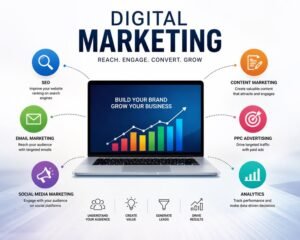
The seven kinds of marketing use different online channels to reach people. Some lean, on traffic while others lean on paid campaigns or direct messages. Here is how each kind of marketing works and when to use each kind of digital marketing.
1. Search Engine Optimization (SEO)
SEO helps a website appear in search results, on Google and other search engines. SEO focuses on content, clear site structure, relevant keywords and a good page experience.
SEO has four areas:
- On-page SEO: Makes sure page titles are good and headings are clear and content is helpful and images have names and internal links work well.
- Technical SEO: Makes it easier for search engines to go through the website and figure out what it is about and add it to their list.
- Off-page SEO: Makes the website more trusted by getting links from good websites and getting mentioned by brands that are related.
- Local SEO: Helps people who’re near, by find local businesses when they search online and use maps.
I think a training center in Rawalpindi could create a page that explains beginner marketing classes. That training center would put facts on the page and it would show local relevance. With those signals the page may appear for people searching for courses, in Rawalpindi. SEO often takes time but SEO can bring visitors without paying for each click. A business should focus on content instead of stuffing keywords or buying spam links.
2. Content Marketing
Content marketing is, about making and sharing material that draws in a specific group of people and assists them. Content marketing includes blog posts, videos, guides, case studies, infographics and tutorials. Good content answers questions and helps readers make smart choices. Good content can also boost SEO, social media and email campaigns.
For example a computer training center could publish a beginners guide to Python. Readers might find the center through search learn from the guide and then check out its courses. To make content work choose topics that your audience cares about. Explain ideas in a way use real examples and update pages when facts change. Avoid publishing similar articles only to hit extra keywords.
3. Social Media Marketing
Social media marketing uses platforms like Facebook, Instagram, LinkedIn, TikTok and YouTube to connect with audiences. Businesses share posts, videos, customer stories, tips and updates. This method can help brands build awareness answer questions and create lasting relationships. It also gives businesses a place to learn what customers like and need.
For example a local institute can post computer tips, student projects and course updates on Facebook and Instagram. These posts can help people understand the training before they contact the institute. Choose platforms based on your audience. A business targeting professionals may benefit from LinkedIn while a visual brand may get value from Instagram or TikTok. Posting content regularly is more valuable, than chasing likes alone.
4. Pay-Per-Click (PPC) Advertising
Pay-per-click is a type of paid advertising used in marketing. Advertisers pay each time someone clicks on their ads. The cost and how they are billed can be different depending on the website or campaign. Google Ads, Microsoft Advertising and paid ads on media platforms are some typical examples. Ads can be shown to users based on the words they search for, where they live, what they like or other options available.
For instance a training institute can place a Google search ad for people searching for computer classes in Rawalpindi. The ad can direct those who’re interested to a web page that has details about the courses, the prices and how to get in touch. Pay-per-click can bring visitors quickly. Just getting clicks does not mean more sales. Set a budget use the right keywords and keep an eye on the people who visit or make a purchase. Check the cost, for each lead to determine if the campaign is worth the money.
5. Email Marketing
Email marketing uses email to share updates, useful content, offers and reminders with people who have agreed to receive messages. Common email campaigns include newsletters, welcome emails course updates, special offers and follow-up messages. Email can help a business stay in touch with people who’re not ready to buy.
For example an institute could send a free learning guide to subscribers then share course details, in an email. This gives readers information before asking them to take action. Use subject lines and keep each email focused on one purpose. Get consent offer an unsubscribe option and follow the privacy rules that apply to your audience.
6. Affiliate Marketing
Affiliate marketing allows businesses to team up with partners who help promote their products or services. An affiliate can earn a commission when someone makes a purchase that meets conditions through their unique link. This method is widely used in retail, software, education and many other fields. Companies can expand their reach to audiences without having to pay every partner a fixed amount for promotion.
For example a website that offers learning resources might suggest a course using an affiliate link. If a visitor clicks the link and buys the course the website may earn a commission based on the program’s rules. It’s important to choose affiliates whose audience matches your product or service. Set terms for payments and make sure partners disclose any paid relationships. Honest and transparent recommendations build trust, with customers. Help them make smarter decisions.
7. Influencer Marketing
I think influencer marketing means working with people who have followers on media or other online platforms. Brands can pay them. Give them products and services in return, for agreed promotional content. In my view influencers can be nano, micro, macro or mega creators. Their audience size, topics, engagement and costs can vary widely.
I believe that a local training center could team up with an education creator to explain its courses. A helpful video showing the learning experience may help potential students decide if the program fits their goals. We should choose creators based on audience fit and credibility not just follower count. Agree on the message, cost and expected results before the campaign starts. Track clicks, inquiries and sign-ups to judge its value.
Which Type of Digital Marketing Is Best for Your Business?
The best type really depends on what you want to achieve how money you have, who you are talking to and how much time you can spend. You do not have to use all seven methods at the time.
| Business goal | Best marketing type |
| Get organic search traffic | SEO |
| Educate potential customers | Content marketing |
| Build an online community | Social media marketing |
| Get traffic quickly | PPC advertising |
| Keep in touch with customers | Email marketing |
| Earn through product referrals | Affiliate marketing |
| Reach an engaged audience | Influencer marketing |
A new business that has a small amount of money can begin by using SEO creating useful content and posting on social media in an organic way. If a business wants to get leads business can add PPC advertising.
Best outcomes require combining methods that help each other. For example a blog post can draw search traffic social media can share the post and email can bring readers back.
What Are the Benefits of Digital Marketing?
Digital marketing gives benefits when businesses use the right methods and measure the results of Digital marketing.
- Wider reach means you can talk to customers far from your town. You will reach people who live in cities or even countries.
- Targeting lets you find the right people by looking at what they like, where they live or the words they type online. You can aim at the group you want.
- Budget control gives you the power to decide how much money you want to spend on ads. You can set a cap and change it whenever you like so you never overspend.
- Measurable results let you see how many people visit your site click your ads become leads and make purchases. You can count everything you care about.
- Stronger customer relationships help you send tips and keep in touch with your fans. You grow trust by sharing information.
- Flexible campaigns allow you to try many messages and then make them better, with what you learn. You can change ads easily when you see what works..
I think digital marketing does not guarantee sales or quick growth. Real results rely on the offer the competition level, the content quality and how well you serve your audience. It helps to set goals and look at performance before spending more money.
How Can Beginners Learn Digital Marketing?
Beginners can learn marketing by starting with the basics. They should study each core concept. Practice the skills using real projects or sample work. It is not necessary to become an expert, in all methods away.
Follow these steps to get started:
- Learn the basics: Know SEO, content marketing, social media, PPC, email, affiliate and influencer marketing.
- Pick one skill: Begin with a topic that fits your interests and career goals.
- Practice, with projects: Write a blog post plan a media campaign or build a sample ad campaign.
- Learn tools: Explore Google Search Console, Google Analytics, keyword research tools and social media insights.
- Measure your results: Check traffic, engagement leads and other goals to find areas where you can improve.
- Build a portfolio: Save your projects. Explain the work you completed and the results you achieved.
If you want training check out Digital Marketing Courses In Rawalpindi at LocalPro1 Institute. Practical lessons can help you understand concepts and apply them to real business tasks. Choose a Digital Marketing Courses that includes hands‑on projects, clear instruction and feedback. These features can help you build skills and prepare for entry‑level jobs, freelance work or your own business.
Conclusion
Understanding What Are the 7 Types of Digital Marketing? helps you choose the ways to reach customers online. SEO, content marketing, social media, PPC, email, affiliate and influencer marketing each serve purposes.
Start with the methods that best match your goals and budget. Create useful content, learn from your results, and improve your approach over time. With practice, digital marketing can become a valuable skill for your career or business. Contact us today at LocalPro1 Institute to start your digital marketing learning journey!
FAQs
What Are the 7 Types of Digital Marketing?
The seven types are Search Engine Optimization, content marketing, social media marketing, pay‑per‑click advertising, email marketing, affiliate marketing and influencer marketing. Each type helps businesses reach audiences in a way.
Which type of marketing is most effective?
Search Engine Optimization can build long‑term traffic while pay‑per‑click can bring targeted visitors fast. The best choice depends on your business goals, budget, audience and timeline.
Can I learn marketing for free?
Yes. You can use online courses, tutorials, blogs and practice tools. Working on sample projects helps you apply what you learn.
Which type of marketing is best for beginners?
Search Engine Optimization and content marketing are starting points because beginners can practice by researching topics and creating helpful content. Social media marketing is another option.
Is marketing a good career in 2026?
Digital marketing can offer career opportunities, in Search Engine Optimization, content creation paid advertising and social media management. Your prospects depend on your skills, practical experience and the needs of employers or clients.