

SEO can feel confusing when you first start a website or blog. You read guide after guide and still feel stuck on where to begin. Most articles make it sound harder than it really is. So, what are the two main parts of SEO? Every SEO strategy comes down to two core areas: on-page SEO and off-page SEO. Once you understand these two parts, everything else becomes much easier to manage.
At Localpro1 Institute, we teach businesses and beginners how to master both on-page and off-page SEO to build stronger search rankings, attract qualified traffic, and achieve long-term online growth.
Why SEO Is Important for Websites
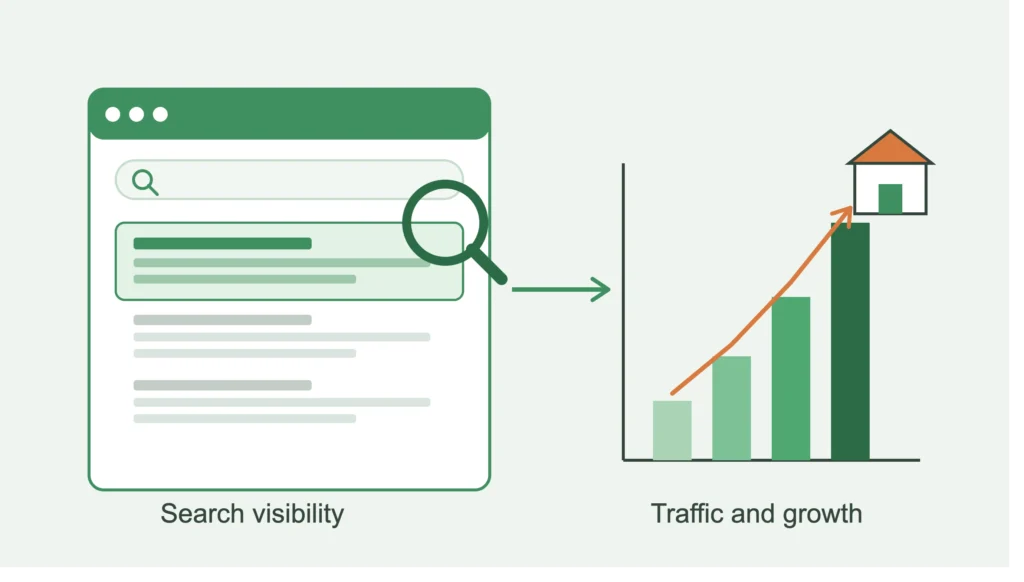
Search engines send free traffic to your site every single day. That traffic keeps coming as long as your pages rank well for the right searches. Without SEO, even a great website stays invisible to the people who need it.
Think about how you find information. You open Google, type a question, and click one of the first few results. Your future customers do the exact same thing. If your site is not there, someone else gets the click, the sale, or the sign-up.
This is why SEO training matters so much right now. Skills like keyword research, content structure, and link building take time to learn well. If you want hands-on training from real practitioners, Localpro 1 Institute offers SEO courses in Islamabad that walk you through these skills step by step, from beginner basics to full campaign strategy.
A website without SEO is like a shop with no sign on a busy street. People walk past it every day and never know it exists.
SEO also builds trust over time. Pages that rank high tend to feel more credible to readers, even before they click. When your site shows up again and again for topics in your niche, visitors start to see your brand as a known name in that space. That kind of trust takes months to build, but it keeps paying off long after a single ad campaign ends.
What Are the Two Main Parts of SEO?
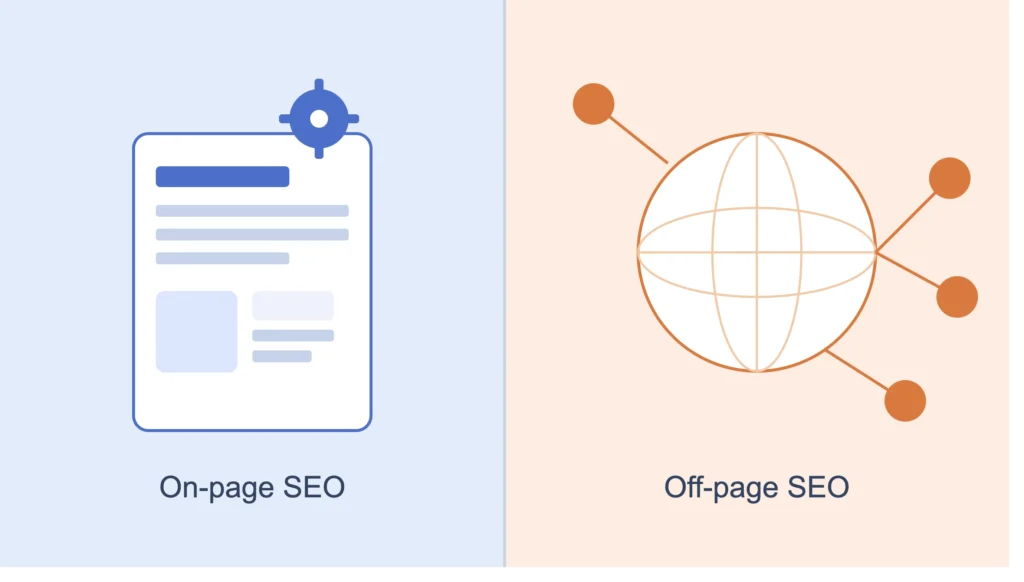
Here is the direct answer. The two main parts of SEO are on-page SEO and off-page SEO. Everything you do to rank higher on Google fits into one of these two buckets.
On-page SEO covers everything you control directly on your website. This includes your content, titles, headings, images, internal links, and page speed. It is the work you do inside your own site.
Off-page SEO covers everything that happens outside your website. This mainly means backlinks from other sites, but it also includes brand mentions, social signals, and reviews. It is the trust and reputation you build across the wider web.
Both parts work together. Strong content with no backlinks struggles to rank against competitors. Plenty of backlinks pointing to thin, unhelpful pages will not save a weak site either. Google’s own core updates keep proving this point, including the large core update it rolled out in December 2025, which rewarded sites with strong page experience and real depth, and pushed down sites relying on shortcuts.
On-Page SEO vs. Off-Page SEO: What’s the Difference?
The easiest way to understand on-page SEO vs off-page SEO is to picture your website as a store. On-page SEO is how you set up the inside of that store. Off-page SEO is how people talk about your store once they leave it.
On-page and off-page SEO explained simply: one lives inside your site, the other lives outside it.
On-Page SEO Includes
- Keyword placement in titles, headings, and body text
- Clear, well-organized content that answers user questions
- Fast-loading, mobile-friendly pages
- Descriptive image alt text
- Internal links connecting related pages on your site
Off-Page SEO Includes
- Backlinks from other trusted websites
- Guest posts and digital PR
- Social media shares and mentions
- Local citations and business listings
- Positive reviews on platforms like Google Business Profile
Both parts need equal attention. A site with only on-page work often stalls in rankings once competitors start earning backlinks. A site with only off-page work can rank briefly, then drop once Google’s quality checks catch up with weak content.
Types of SEO You Should Know
Beyond the two main categories, it helps to know the different types of SEO you will run into as you learn. Technical SEO deals with your site’s backend, things like crawlability, site speed, and structured data. Local SEO focuses on ranking in map results and local search for nearby customers. Content SEO focuses on creating pages that genuinely answer what people are searching for.
Each of these types still falls under either on-page or off-page work. Technical and content SEO sit mostly on the on-page side. Local citations and reviews often sit on the off-page side. Knowing this helps you organize your SEO tasks instead of feeling overwhelmed by long checklists.
Simple SEO Checklist for Beginners
If you are just starting out, keep your first few weeks focused on these basics:
- Pick one main keyword per page and use it naturally in your title and first paragraph.
- Write content that fully answers the question behind the search, not just a short summary.
- Use short paragraphs and clear headings so readers can scan easily.
- Add two or three internal links to other helpful pages on your site.
- Check your page speed and fix anything loading slower than three seconds.
- Set up a free Google Business Profile if you serve local customers.
- Reach out to a few relevant sites for guest posts or mentions once your content is solid.
Small, steady steps like these build a strong foundation. You do not need every SEO optimization technique on day one. Start with the basics, then add more as your site grows.
Common SEO Mistakes to Avoid
Many beginners hurt their own rankings without realizing it. Watch out for these common mistakes:
- Keyword stuffing: Repeating a keyword unnaturally makes content hard to read and can trigger ranking drops.
- Ignoring page speed: Slow pages lose visitors and rank lower, especially on mobile devices.
- Publishing thin content: Short pages with little real value rarely rank for competitive searches.
- Buying low-quality backlinks: Spammy links can hurt your site more than help it.
- Skipping internal links: Pages with no internal links are harder for Google to find and understand.
- Copying competitor content: Duplicate or lightly reworded content fails quality checks and can lead to your pages getting dropped from search results entirely.
Avoiding these mistakes protects the progress you make with your on-page and off-page work. Most SEO setbacks come from rushing a shortcut instead of doing the slower, honest work. Fixing one mistake at a time, and checking your site’s performance every few months, keeps your rankings on a steady upward path instead of a shaky one.
SEO Trends That Matter in 2026
Google’s December 2025 core update reshaped a lot of rankings heading into this year. Sites with strong page experience, real topic depth, and clear expertise came out ahead. Sites relying on thin AI content with no human review or fact-checking lost visibility.
A few trends stand out for 2026. First, page experience metrics like loading speed and interaction speed carry real weight now, not just content quality. Second, Google’s AI Overviews pull from pages that answer questions clearly and directly near the top of the page. Third, E-E-A-T signals, meaning experience, expertise, authority, and trust, now apply to nearly every type of search, not just health or finance topics.
This means the two main parts of SEO have not changed, but the standard for each part has gone up. On-page content needs real depth and honest expertise behind it. Off-page signals need to come from genuine mentions and links, not shortcuts.
Conclusion
SEO does not need to feel complicated once you break it down. The two main parts of SEO are on-page and off-page work, and both need steady attention if you want lasting results. Build helpful, well-structured content on your site, then earn trust and links from outside it. Do both consistently, and your rankings will follow.
If you want expert guidance or professional SEO services, contact us today. Localpro 1 Institute can help you improve your website, increase organic traffic, and build a long-term SEO strategy that delivers measurable results.
FAQs
What are the two main parts of SEO?
The two main parts of SEO are on-page SEO, which covers your website’s content and structure, and off-page SEO, which covers backlinks and outside signals.
Which is more important, on-page or off-page SEO?
Neither works well alone. Strong content needs backlinks to rank, and backlinks need solid content to hold that ranking over time.
How long does SEO take to show results?
Most sites start seeing meaningful movement within three to six months, though competitive keywords can take longer.
Can I do SEO myself without training?
Yes, many beginners learn through free resources and practice. Structured training, like a dedicated SEO course, can speed up the learning curve significantly.
Does Google’s core update change how SEO works?
Core updates refine how Google measures quality. The core parts of SEO stay the same, but the bar for good content and trustworthy links keeps rising.