
Google Search Console is the most used SEO tool in the world. Every website owner needs it, and it costs nothing to run. Google confirms millions of sites are verified inside it, far more than any paid platform can claim. Among paid tools, Semrush and Ahrefs lead the pack for keyword research and site audits.
So what is the most used SEO tool for your specific goals? The answer depends on your budget and what you’re trying to fix. This guide breaks down every option so you can pick the right one.
What Is the Most Used SEO Tool?
There’s no single tool every marketer agrees on. It depends on how you define “most used.”
By total users, Google Search Console wins by a wide margin. It’s free, it’s built into every site’s relationship with Google, and it’s the first tool most beginners open. Site owners use it to check indexing, spot errors, and see which queries bring in clicks.
By revenue and paid subscriptions, Semrush takes the lead. Its annual revenue is roughly double that of Ahrefs, and it has built a name across agencies and in-house teams. Ahrefs remains the top choice for backlink research, with an index tracking trillions of links.
So the honest answer is this: Google Search Console is the most used SEO tool overall, and Semrush is the most used paid SEO tool.
Why Google Search Console Is the Most Common SEO Tool
Search Console holds an advantage no paid tool can match. It gets its data straight from Google, not from a crawler guessing at rankings.
Here’s what makes it the default choice for most site owners:
- It’s completely free, with no trial or credit card required.
- It shows real click and impression data, pulled directly from Google.
- It flags indexing errors, mobile issues, and manual actions.
- It reports Core Web Vitals, which affect rankings.
- It lets you submit sitemaps and request indexing for new pages.
The drawback is scope. Search Console only shows data for your own site, not competitor rankings or keyword volume. That’s where paid tools step in.
Most Popular Paid SEO Tools
Once a business grows past the basics, most teams add at least one paid platform. Here are the ones that show up again and again as the best SEO tools on the market.
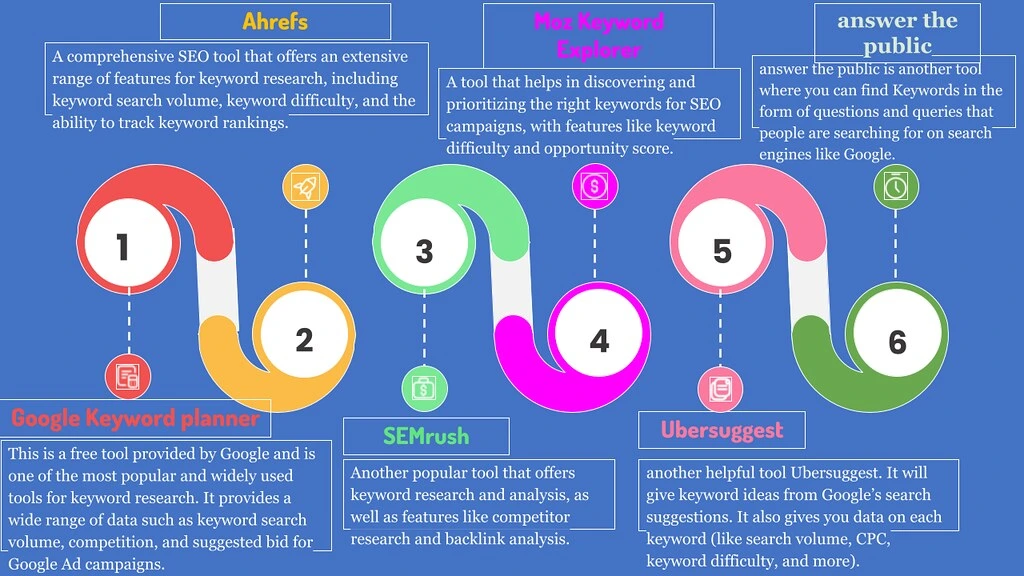
Semrush is the most widely used all-in-one platform. It handles keyword research, audits, content grading, and competitor tracking in one dashboard, making it one of the best SEO tools for agencies with several clients.
Ahrefs built its name on backlink data. Its crawler processes billions of pages daily, and its Content Explorer helps writers find topics that already attract links. It’s also one of the strongest SEO tools for keyword research.
Moz Pro was one of the earliest SEO platforms and still holds a loyal user base, thanks to its Domain Authority metric.
Screaming Frog is a desktop crawler built for technical audits. It catches broken links, duplicate titles, and missing meta tags.
Surfer SEO focuses on content optimization, comparing your draft against top-ranking pages to suggest terms for better topical coverage.
How Google’s December 2025 Core Update Changed What “Best” Means
Google rolled out its December 2025 core update between December 11 and December 29. It was a broad, system-wide change, not a spam penalty aimed at specific sites. The update reshaped how Google judges content quality across every topic.
The biggest shift involved demonstrated experience. A line like “we tested this and it works” no longer carries much weight on its own. Google now looks for details that only come from someone who did the work: exact numbers, unexpected results, and honest trade-offs instead of generic praise.
This matters for SEO tool comparisons like this one. A roundup that just lists features copied from a pricing page won’t hold up. Reviews now need real usage, real pricing, and honest downsides.
SEO Tools Compared
| Tool | Best For | Free Plan | Starting Price |
| Google Search Console | Site health, indexing, click data | Yes, fully free | $0 |
| Semrush | All-in-one SEO and content marketing | Limited trial | Around $140/month |
| Ahrefs | Backlink research and keyword research | Limited free tools | Around $130/month |
| Moz Pro | Domain Authority tracking, beginner-friendly | Limited free tools | Around $100/month |
| Screaming Frog | Technical site audits | Free for 500 URLs | Around $259/year |
| Surfer SEO | Content scoring and briefs | No free plan | Around $99/month |
Pricing changes often, so always check the vendor’s page before buying. What matters more than price is matching the tool to the job you actually need done.
Which SEO Tool Is Best for Different Users?
Not every website needs the same setup. Here’s a quick breakdown by user type.
Beginners and small blog owners should start with Search Console and Google Analytics. Both are free and cover indexing, traffic, and basic keyword data. There’s no reason to pay until the site grows past a few thousand monthly visitors.
Freelancers and solo consultants often add Ahrefs or Semrush once they take on paying clients, since one subscription covers research and audits for several sites.
Agencies typically run two or three tools together: Semrush or Ahrefs for research, Screaming Frog for crawls, and a rank tracker for client dashboards.
E-commerce and large publishers need tools that scale, including log file analysis and enterprise platforms with API access for sites with tens of thousands of pages.
Features Every Good SEO Tool Should Have
Before you commit to any platform, check that it covers these basics.
- Accurate keyword data, including search volume and difficulty scores.
- A site audit feature that flags broken links and slow pages.
- Competitor tracking, so you can see what’s working in your niche.
- Rank tracking across desktop and mobile, ideally by location.
- Backlink monitoring, so you catch toxic links early.
- Clear reporting you can export or share with clients.
A tool missing more than one of these isn’t worth the subscription cost.
Free vs Paid SEO Tools
Free SEO tools cover the fundamentals well. Search Console, Google Analytics, Google Trends, and Keyword Planner give you indexing data, traffic, and rough keyword volume, all without a bill.
Paid tools add depth. They show competitor keywords, full backlink profiles, and historical ranking data that free tools don’t track, and they save time through automation.
The honest trade-off is this: free tools show what’s happening on your own site. Paid tools show what’s happening across the whole market, including your competitors.
Can You Do SEO Without Paid Tools?
Yes, and plenty of small sites do it well. Search Console alone shows which queries bring traffic, which pages are indexed, and where technical errors are hurting you.
Pair it with free research from Google’s autocomplete, the “People also ask” boxes, and Google Trends, and you can build a solid content plan for free. The main limitation is competitor visibility, since without a paid tool you’re guessing at what other sites rank for.
For a small blog with one or two competitors, that gap rarely matters. In a competitive niche, it usually becomes worth the cost within a few months.
How to Choose the Right SEO Tool
Start by listing the actual problems you’re trying to solve. Someone chasing backlinks needs different data than someone fixing technical errors.
Budget matters too. There’s no point paying for an enterprise platform to run a single blog. Match the tool’s size to your site’s size, not the other way around.
Learning curve is often overlooked. Some platforms take weeks to master, while others are usable within a day. If your team is small, pick something your staff can learn quickly.
This is the gap many business owners run into, and it’s why training matters as much as the tool itself. At Localpro 1 Institute, we cover this through our SEO Course in Rawalpindi, where students use Google Search Console, Semrush, and Ahrefs on real client projects instead of just watching tutorials.
Common Mistakes When Choosing an SEO Tool
Many people jump into a paid subscription before they know what they need it for. Here are the mistakes that waste the most money.
- Buying the most expensive plan first, when most sites don’t need enterprise features on day one.
- Ignoring the free tools already available, since Search Console alone answers most beginner questions.
- Chasing every new tool that launches, which wastes more time than it saves.
- Skipping the trial period that most paid tools already offer.
- Focusing only on rankings, and missing clicks, conversions, and revenue impact.
Using SEO Tools for AI Overviews and LLM Visibility
Search has changed since AI Overviews started appearing across nearly half of Google’s results. Ranking first no longer guarantees a citation inside the AI-generated answer box.
Some SEO platforms now track this second layer of visibility, checking whether content gets cited inside ChatGPT, Gemini, and AI Overviews. This practice is often called Generative Engine Optimization, or GEO, and it works alongside traditional SEO.
To improve your odds, put direct answers near the top of each section and back up claims with real data. The same E-E-A-T signals that core updates reward also help content get picked up by AI systems.
Conclusion
So, what is the most used SEO tool? Google Search Console holds that title by sheer number of users, since it’s free and built into every site’s relationship with Google. Among paid platforms, Semrush and Ahrefs lead the field.
The right choice depends on your budget, your site’s size, and how competitive your niche is. Start free, add paid tools when you hit their limits, and choose based on the problem in front of you instead of what’s trending.
FAQs
What is the most used SEO tool overall?
Google Search Console, since it’s free and used by nearly every website owner.
What is the most used paid SEO tool?
Semrush, based on revenue and market share among agencies and marketing teams.
Are free SEO tools enough for a small business?
Yes, for most small sites. Search Console, Analytics, and Trends cover the basics for free.
Which SEO tool is best for keyword research?
Ahrefs and Semrush both offer strong keyword data, including volume, difficulty, and related terms.
Do I need more than one SEO tool?
Most established sites use at least two: one for site health and one for competitor research.
Did the December 2025 core update change which SEO tools matter most?
Not directly. It changed what counts as helpful content, so tools built for real research now matter more.