


Businesses that skip SEO often wonder why their website gets almost no organic traffic despite having solid products or services. Why is search engine optimization important comes down to visibility, without it, even the best website stays invisible to the customers actively searching for what a business offers.
Search engines drive a significant share of website traffic across nearly every industry. This guide breaks down what SEO actually does, why it matters, and where it delivers the most value for different types of businesses.
What Is SEO?
Search engine optimization refers to the practice of improving a website so it ranks higher in search engine results for relevant queries. This involves technical site improvements, content creation, and building credibility signals that search engines use to determine which pages deserve top placement.
SEO isn’t a single action but an ongoing process involving keyword research, content strategy, technical performance, and link building. Each element works together to help a website earn visibility for the specific searches that matter most to its target audience.
Understanding the Core Benefits of SEO
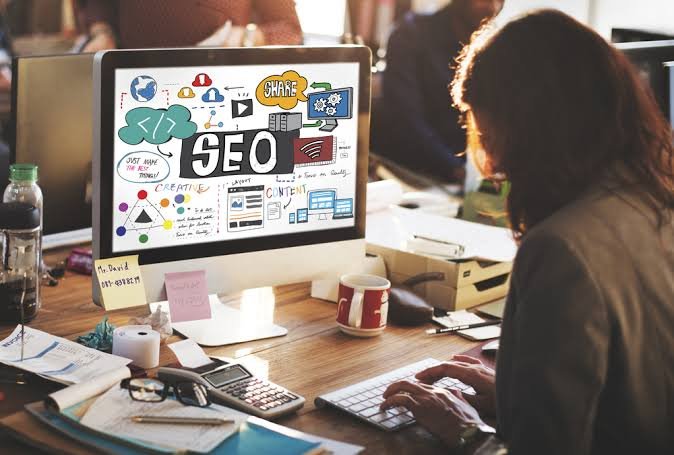
Search engine optimization delivers measurable advantages that extend beyond simply appearing in search results.
Organic traffic from SEO tends to convert better than many paid channels, since people searching for specific terms already have clear intent. Unlike paid advertising, SEO results compound over time rather than disappearing the moment a budget runs out. A well-optimized page can continue driving traffic for years with proper maintenance, offering a return on investment that advertising rarely matches long-term.
SEO also builds credibility. Websites that rank highly are often perceived as more trustworthy by users, since search engines have effectively vetted them through their ranking algorithms. This trust translates into higher click-through rates and stronger brand recognition over time.
What Are the 5 Crucial Elements of SEO?
A complete SEO strategy depends on several interconnected components working together.
- Keyword research — identifying the specific terms and phrases potential customers actually search for
- On-page optimization — structuring titles, headers, and content around target keywords in a natural way
- Technical SEO — ensuring fast load times, mobile responsiveness, and proper site architecture
- Content quality — publishing genuinely helpful, original content that answers real user questions
- Link building — earning backlinks from reputable sites that signal authority and trustworthiness to search engines
Skipping any one of these elements weakens the overall strategy. A technically flawless site with no relevant content won’t rank, and great content on a slow, poorly structured site struggles just as much.
Read More: Is SEO Part of Web Development?
How SEO Impacts Different Business Models
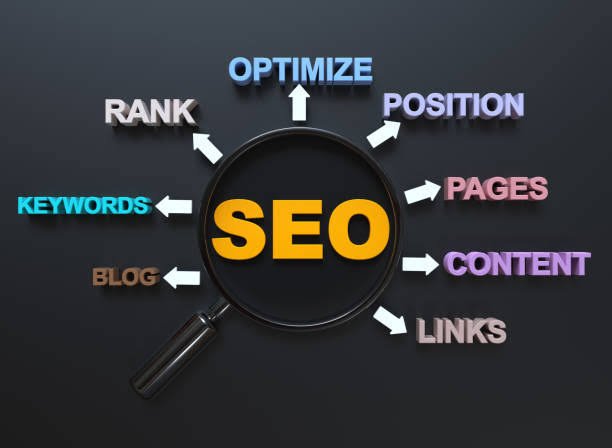
SEO’s value shifts depending on how a business actually operates and reaches customers.
E-commerce Businesses
Online stores rely heavily on product and category page optimization, since customers frequently search using specific product terms. Strong SEO here directly drives sales rather than just general brand awareness.
Local Service Businesses
Businesses like clinics, restaurants, and contractors benefit most from local SEO, appearing in map results and location-based searches when nearby customers are ready to book or buy immediately.
B2B Companies
Business-to-business companies often see longer sales cycles, so SEO here focuses more on educational content that builds trust and nurtures leads over time, rather than driving instant transactions.
Content Publishers and Media Sites
Sites that monetize through advertising or subscriptions depend almost entirely on organic traffic volume, making SEO the primary growth driver rather than a supporting strategy.
When Is SEO Most Effective?
SEO works best as a long-term strategy rather than a quick fix. Most websites see measurable improvement within three to six months of consistent, well-executed effort, though competitive industries can take longer.
SEO also performs best when paired with genuinely useful content and a technically sound website. Businesses that treat SEO as an ongoing practice, rather than a one-time project, consistently outperform those that optimize once and stop maintaining their site afterward.
Common Mistakes That Undermine SEO Results
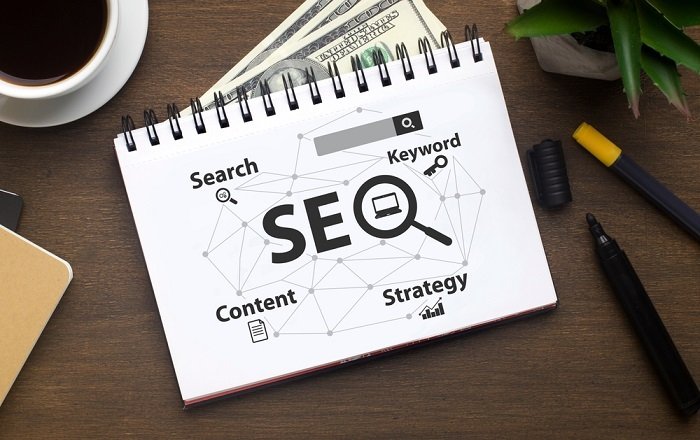
Several avoidable mistakes prevent businesses from seeing the results SEO can actually deliver.
Targeting keywords with no real search volume wastes effort on terms nobody’s actually searching for. Ignoring mobile performance is another significant misstep, since a large share of searches now happen on smartphones. Publishing thin, generic content purely to fill a content calendar, rather than answering real user questions, tends to hurt rankings under current Google standards rather than help them. Neglecting technical issues like slow load times or broken links also undermines even strong content efforts, since search engines factor site performance directly into rankings.
Conclusion
Why is search engine optimization important ultimately comes down to visibility and trust, both of which drive real business results over time. Why SEO is essential becomes clear once a business sees how consistent organic traffic compounds compared to paid advertising that stops the moment spending stops. LocalPro1 Institute offers SEO service in Islamabad built around these exact principles. Contact LocalPro1 Institute today to strengthen your website’s search visibility.
FAQs
Why do businesses need SEO instead of just paid ads?
Why businesses need SEO comes down to sustainability, organic rankings continue driving traffic without ongoing ad spend, unlike paid campaigns that stop the moment budgets run out.
How long does SEO take to show results?
Most websites see measurable improvement within three to six months, though timelines vary based on competition and starting point.
What is the role of SEO in digital marketing overall?
The role of SEO in digital marketing is foundational, it drives organic visibility that supports nearly every other marketing channel, from content to paid campaigns.
Is SEO still relevant with AI search tools growing?
Yes. AI-driven search results still pull from well-optimized, authoritative content, making strong SEO practices more relevant, not less.
Does SEO work the same way for every business type?
No. SEO strategy shifts significantly depending on whether a business is e-commerce, local service-based, B2B, or content-driven.