

Can Chat GPT Do SEO? Why It Falls Short
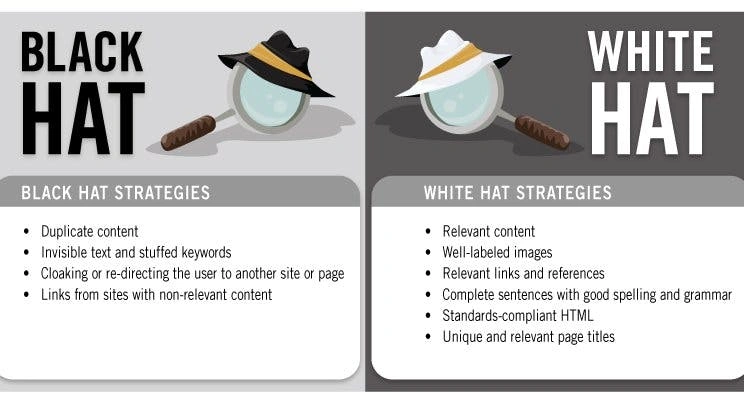
Can Chat GPT do SEO the way a real SEO tool does? A lot of marketers ask this question, usually after Chat GPT gives them a confident answer that turns out to be wrong. The short answer is no. Chat GPT helps with writing, but it cannot replace real SEO research. This article looks at where Chat GPT actually falls short in SEO work. It also covers what the tool is genuinely good for. By the end, you will know which parts to trust and which parts to double check. Why Chat GPT Can’t Do SEO Chat GPT is a language model. Its job is to predict text based on patterns, not to crawl websites or track live rankings. It has no built-in connection to search results unless browsing is switched on, and even then the data it pulls is often thin or outdated. This matters because SEO depends on current data. Rankings shift daily. Search volume moves with the seasons. Competitor pages get updated constantly, sometimes overnight. A tool that cannot see any of this in real time simply cannot give you accurate SEO guidance, even when it sounds sure of itself. There is also a common mix-up worth mentioning here. People assume that because Chat GPT writes well, it must understand search engines just as well. Writing and ranking are separate skills. A tool can excel at one while being weak at the other, and that is exactly what happens with Chat GPT and SEO. The Core Problem: No Real-Time Data Chat GPT does not know what is ranking on Google today. It does not know how much traffic your competitor got last month. It does not know which keywords just started trending in your industry. Ask it for search volume or a ranking position, and it will often produce a number that sounds plausible. This is called hallucination. The figure looks legitimate on the surface, but it comes from patterns in old training data rather than any real search engine. The real damage shows up when businesses act on these numbers. A wrong search volume estimate can push an entire content plan in the wrong direction, burning weeks of writing effort on topics almost nobody searches for. What SEO Actually Requires (That Chat GPT Can’t Provide) Solid SEO work depends on several things Chat GPT cannot handle by itself: Backlink analysis, to see who links to a site and how strong those links are Technical audits, covering site speed, broken links, and indexing problems Keyword search volume, pulled straight from real search engine data Live ranking tracking, showing where pages actually stand today Historical trend data, to spot patterns building over months or years Crawl data, showing how search engines actually see and read your pages Platforms like Google Search Console, Ahrefs, and Semrush pull this information directly from search engines and web crawlers. Chat GPT has no equivalent access, so none of it can be verified through the chat window alone. Why “Competitor Analysis” via Chat GPT Is Misleading A common tip floating around is to paste a competitor’s website into Chat GPT and ask for a breakdown. It sounds useful on paper, but it runs into a real limit fast. Without browsing turned on, Chat GPT cannot even see the live page. What comes back is a guess based on similar content it encountered during training. Turn browsing on, and the results still fall short. Chat GPT can summarize the text sitting on a page well enough. It cannot tell you how that page performs in search results, how much traffic it pulls in, or which specific keywords are actually driving that traffic. This gap shows up most when people lean on it for competitor research. A business owner might ask why a rival outranks them, hoping for real insight. What they get instead is an answer that sounds reasonable but has no real link to the competitor’s actual ranking factors. Read More: What is White Hat and Black Hat SEO? Real Data vs. AI Guesses This is the part most people overlook. Chat GPT for SEO can sound completely confident while being flat-out wrong. It might claim a keyword pulls ten thousand searches a month when the true number sits closer to two hundred. Build a content plan around numbers like that, and you end up wasting time on the wrong topics entirely. This is why leaning on Chat GPT as a main SEO tool carries real risk, including for businesses in Pakistan trying to hold their ground against established local competitors. A safer habit is to treat every figure Chat GPT gives you as unverified until proven otherwise. Cross check it in a real tool before acting on it. That one habit alone can save a business months of wasted content work. What Chat GPT IS Useful For (Limited Role) Chat GPT still earns a spot in an SEO workflow. It just is not the spot most people assume. Drafting a rough version of a blog outline Suggesting meta description ideas to refine later Rewriting a stiff paragraph in plainer language Brainstorming topic angles before checking real search data Summarizing a long competitor article once the text is pasted in Is Chat GPT good for SEO in this narrower role? Yes, genuinely. Used this way, it speeds up the writing side of the job. Used as a stand-in for real research, it tends to create more problems than it solves. The Right Way to Do SEO Real SEO work rests on three things working together: verified data, technical checks, and human judgment. Start with something like Google Search Console to see what already brings traffic to your site. Add a paid platform for keyword volume and backlink tracking. Only then bring Chat GPT in, to speed up the writing stage once the research is already done. A practical workflow looks like this: research keywords with a real tool first, check what competitors already rank for, build an outline around genuine search intent,
Can Chat GPT Do SEO? Why It Falls Short Read More »