

Ask ten people in this field why they got into it, and you’ll hear some version of the same thing eventually: they liked seeing what worked. Not guessing, actually seeing it, a number on a dashboard telling you the ad worked or it didn’t. That’s usually the real answer behind why did you choose digital marketing, even when the interview version sounds more polished.
The field rewards people who’d rather test something and check the result than sit through six meetings about a campaign that might launch in Q3. That’s the actual pull, not the buzzwords people repeat in job interviews.
What You Actually Do In Digital Marketing
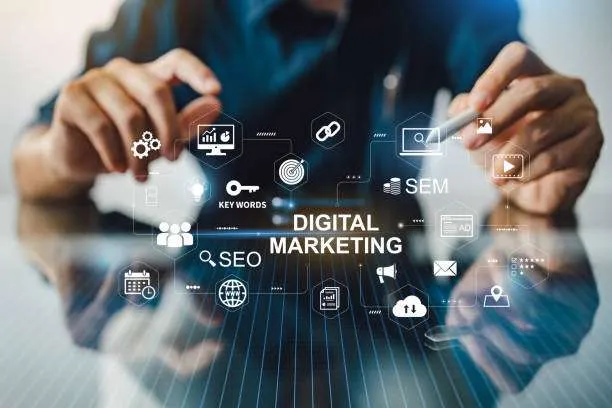
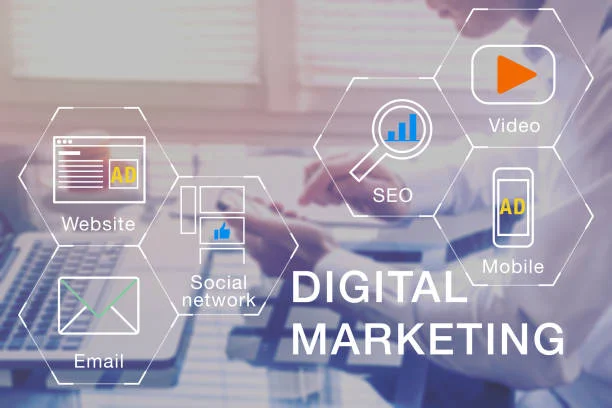
Digital marketing covers a wide range of daily tasks, not just posting on social media. It includes running paid ad campaigns, writing content that ranks on search engines, managing email lists, and analyzing data to see what’s actually working.
A typical day might involve checking ad performance, writing a blog post, or adjusting a campaign based on click-through rates. No two days look exactly the same, which is part of what draws people to this field in the first place.
Why Did You Choose Digital Marketing As A Career?

Most people who answer why did you choose digital marketing point to a few common reasons. The work is creative but also measurable. Unlike many careers, results show up in real numbers, clicks, conversions, sales, within days or weeks.
There’s also low barrier to entry compared to other tech-adjacent fields. Someone can start learning through free resources or a structured course and land a junior role within months, not years. That speed matters to people who want to build a career quickly.
Many professionals also mention the remote work flexibility. Digital marketing skills transfer easily across industries and countries, which means more freedom in where and how someone works.
The Real Benefits Of A Digital Marketing Career
Past the flexibility pitch, there are practical reasons this holds up as a career choice long-term.
Every business with a website needs someone running this, coffee shops and multinational corporations alike, so the demand isn’t tied to one industry’s health. The field also splits into real specializations, SEO, paid ads, email, social, content, each one its own track with its own ceiling. Freelancers who get good at one of these often out-earn people stuck in traditional entry-level office jobs. And because platforms and algorithms shift constantly, the work doesn’t go stale the way some careers do after year three.
These reasons to choose digital marketing are exactly why the field keeps pulling in people from completely unrelated backgrounds. Teachers, accountants, even a few engineers who got bored, all end up here for roughly the same set of reasons.
Read More: Is Digital Marketing A Good Career?
Common Mistakes That Make You Sound Clueless
A few things give away someone who hasn’t actually worked a campaign yet, and interviewers tend to notice them fast.
- Leading with “I like social media” and nothing else. No data, no strategy, no mention of a result you actually influenced. It tells an interviewer you’ve watched marketing happen from the outside, not that you’ve done it yourself.
- Treating organic and paid marketing as the same skill. They’re not. Organic growth depends on content, keywords, and time. Paid depends on budget, targeting, and bidding strategy. Mixing the two up in conversation is a quiet but obvious red flag.
- Claiming equal strength across every channel. SEO, paid ads, email, and social all at once sounds impressive on paper, but almost nobody starts out that well-rounded. Overstating it usually reads as inexperience dressed up as confidence, not the other way around.
- Not knowing basic terminology. CTR, bounce rate, conversion rate, cost per acquisition, these come up within the first few minutes of any real interview. Fumbling them signals you haven’t actually sat inside a live campaign dashboard.
- Talking in vague outcomes instead of numbers. Saying a campaign “did well” means nothing to someone hiring. Saying it improved click-through rate by a specific percentage shows you actually tracked what happened.
- Not asking what success looks like for a role. Skipping this question during an interview suggests someone hasn’t thought about how their work gets measured, which is a core part of the job itself.
Avoiding these mistakes matters more than memorizing perfect answers, since interviewers are usually listening for genuine hands-on experience, not rehearsed talking points.
Skills That Separate Beginners From Professionals
Course completion and actually getting hired are two different things, and the gap usually comes down to a few specific skills.
Reading Google Analytics or Search Console and explaining what the numbers actually mean, not just showing a dashboard, is something employers test for directly. Keyword research and basic copywriting matter too, since content and SEO overlap in almost every marketing role now, even ones that aren’t officially “content” positions.
How Can One Become A Professional In Digital Marketing?
Skip the idea that you need a four-year degree for this. Most people who make it build skills through a course, real practice, and actual campaign work, in that order.
Pick one specialization first. Trying to learn SEO, paid ads, and email all at once usually means learning none of them well. Build something to show for it, a small portfolio, even unpaid work for a local business counts, and grab a certification or two from Google or Meta to back up what you’re claiming you know.
LocalPro1 Institute runs an SEO course in Rawalpindi built around this exact gap, students work real campaigns instead of sitting through theory alone, which closes the distance between finishing a course and actually getting hired.
Conclusion
Why did you choose digital marketing usually comes down to speed, flexibility, and getting to see your work actually do something. It’s a field that keeps rewarding people who stay curious, and it opens real paths into freelance work, agencies, or in-house roles. LocalPro1 Institute helps students build exactly those skills through hands-on training. Contact LocalPro1 Institute to start.
FAQs
Is digital marketing a good career choice in 2026?
Yes. Businesses keep shifting budget from traditional advertising into digital channels, and that demand isn’t slowing down.
Do I need a degree to work in digital marketing?
No. Employers generally care more about real skills and campaign experience than a specific degree.
What is the importance of digital marketing for businesses today?
It lets businesses reach customers directly, track exactly what’s working, and adjust strategy in days instead of months.
How long does it take to learn digital marketing?
Most people build solid foundational skills in three to six months with focused, hands-on learning.
Which digital marketing skill is most valuable to learn first?
SEO and content writing tend to be the strongest starting point since they touch nearly every other channel.