
SEO Practically

digital marketing services

Explore professional digital marketing services, including SEO, PPC, social media, content marketing, and web strategies to grow your business online.

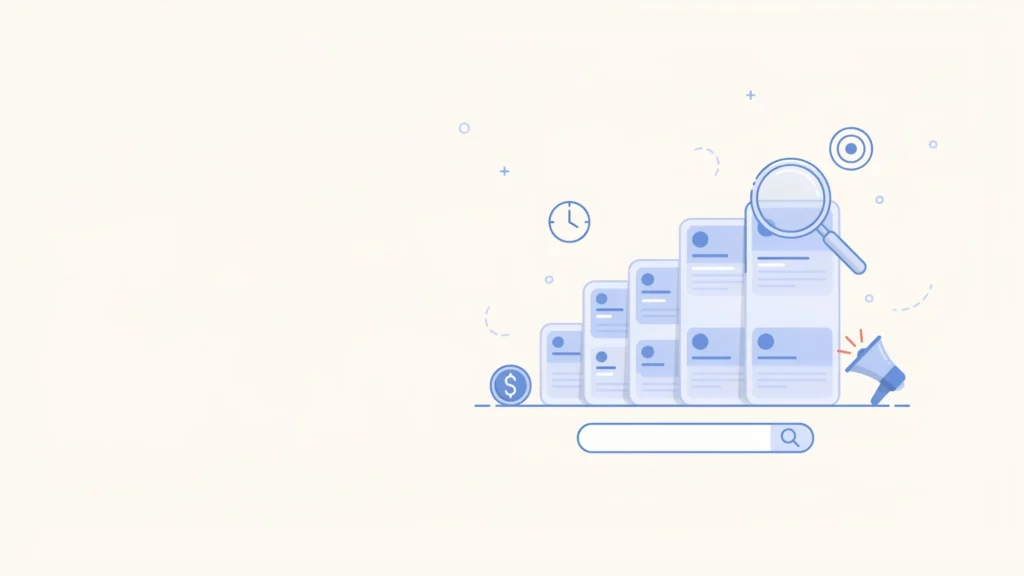
Illustration showing rising search result cards, a magnifying glass, dollar coin, clock, and megaphone representing the top 5 benefits of search engine marketing

Top 5 Benefits of Search Engine Marketing

Most business owners find Google Ads confusing at first. They set a budget, write an ad, and wait to see if it actually pays off. The good news is that the payoff is real and it is fast, once you know what to look for. At Localpro 1 Institute, this is one of the first things we teach new students. The top 5 benefits of search engine marketing come down to speed, control, and clear numbers you can track from day one. What Is Search Engine Marketing? Search engine marketing, or SEM, means paying to show your business at the top of search results. You bid on keywords, write an ad, and pay each time someone clicks it. Google Ads and Microsoft Ads run most of this traffic today. SEM differs from organic search because you pay for placement instead of earning it over time. This makes it one of the fastest ways to appear in front of people who are already searching for what you sell. It also gives you full control over your budget, your audience, and your message from the very first day. Top 5 Benefits of Search Engine Marketing The top 5 benefits of search engine marketing explain why so many small and large businesses still rely on it every year. Fast results. SEO can take months to show real traffic. SEM can put your business at the top of Google within hours of launching a campaign. This speed matters most for new businesses or time-sensitive offers. Precise targeting. You choose exactly which keywords, locations, devices, and times of day trigger your ad. A local bakery can show ads only to people within five miles, searching during business hours. Measurable return on investment. Every click, cost, and conversion shows up in your dashboard. You know exactly how much each sale or lead costs, which makes budgeting far easier than with most other marketing. Full budget control. You set a daily or monthly cap, and Google will not spend past it. You can pause a campaign anytime a slow week hits, without losing momentum you built earlier. Brand visibility at the top of the page. Even if people don’t click your ad, seeing your name at the top builds recognition. Over time, this repeated visibility makes your brand feel familiar and trustworthy. Additional Advantages of Search Engine Marketing Beyond the top 5 benefits of search engine marketing, a few smaller advantages matter too. SEM gives you instant data on which keywords actually bring in customers, which then improves your organic content strategy as well. It also works well alongside social media ads. A person who sees your brand on Instagram and later searches your name on Google is more likely to click and buy. These search engine marketing advantages compound when paired with a strong website and clear service pages. SEM also levels the playing field for small businesses. A local shop can outrank a national chain in local search results, simply by bidding smart and writing a sharp ad. Another often overlooked benefit of SEM is speed of testing. You can try three different headlines in a single week and see which one earns more clicks and sales. No other marketing channel gives that kind of quick, honest feedback on your message. Retargeting is one of the most valuable benefits of SEM that many beginners skip. It lets you show ads again to people who already visited your site but did not buy. These warm visitors convert at a much higher rate than a cold audience seeing your brand for the first time. SEM also scales in both directions easily. A business can start with a small test budget, prove the concept works, then increase spend gradually as sales data confirms the campaign is profitable. Very few marketing channels offer that same low-risk path to bigger investment. Search Engine Marketing vs Search Engine Optimization People often mix up SEM and SEO, but they work in different ways. SEO focuses on earning free, organic rankings through content, backlinks, and technical site health. It takes months to build but keeps working long after you stop actively updating it. SEM, on the other hand, delivers traffic the moment you turn on a campaign, but that traffic stops the moment you stop paying. The smartest search engine marketing strategy usually blends both. Use SEM for immediate results and testing, and use SEO to build lasting, free traffic over time. Google’s December 2025 core update also reminded marketers that both channels need honest, well-researched content behind them. Thin landing pages built only to catch ad clicks now get flagged for a poor user experience, which quietly increases your cost per click. Who Should Use Search Engine Marketing? SEM works well for almost any business with a clear product or service and a reasonable budget. New businesses benefit from the instant visibility, since they have no organic rankings yet to rely on. Local service businesses, like dentists, plumbers, and law firms, see strong returns because SEM targets people searching with real intent to buy. E-commerce brands also do well, since Google Shopping ads show the product photo and price directly in search results. Businesses launching a new product or running a seasonal sale benefit too. SEM for business growth works best when there is a clear next step, like a call, a booking, or a purchase, waiting for the visitor who clicks. Franchises and multi-location businesses also gain a lot from SEM, since campaigns can target each location separately. A gym chain can run a different ad and offer for each city, based on what customers in that area respond to best. Even established brands with strong organic rankings still run SEM, mostly to defend their top spot. If a competitor bids on your brand name, showing your own ad above the organic result protects the customer from clicking elsewhere by mistake. Common Search Engine Marketing Mistakes to Avoid Many businesses waste money on SEM without realizing why. The most common

Top 5 Benefits of Search Engine Marketing Read More »
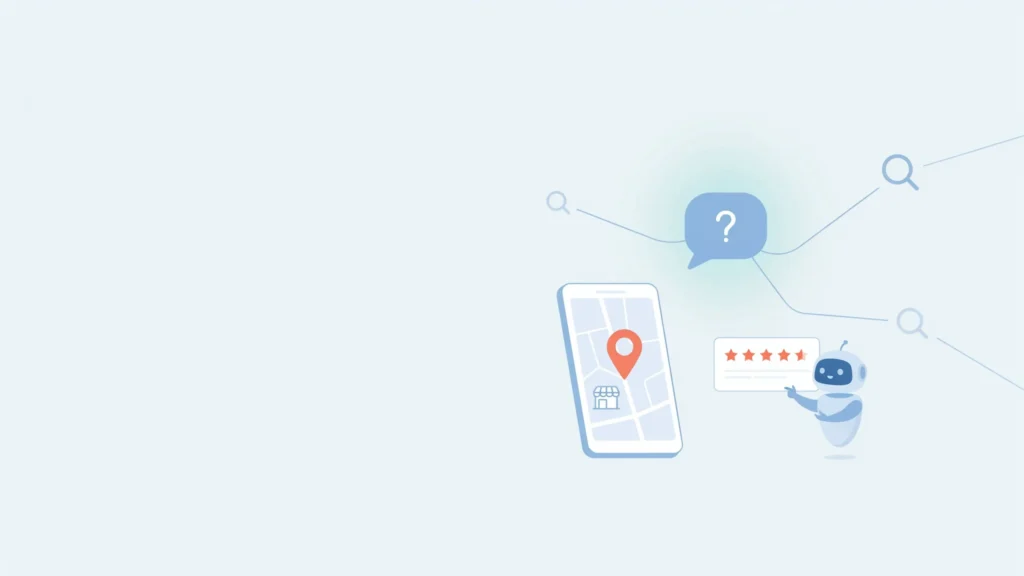
AI assistant recommending a local business on a mobile map, showing how LLMs are changing local business search in 2026.

How LLMs are Changing Local Business Search in 2026

Ask ChatGPT where to get a good haircut nearby, and it will just tell you. No scrolling. No ten blue links. Just a straight answer with a name and a reason to trust it. That is the new reality for business owners everywhere. How LLMs are Changing Local Business Search in 2026 comes down to one simple fact: AI now picks the business, not just the search results page.  At Localpro 1 Institute, we help businesses understand these changes and apply practical local SEO strategies that improve visibility across both traditional search engines and AI-powered search experiences. What Are Large Language Models (LLMs)? A large language model is a computer program trained on huge amounts of text. It learns patterns in language so it can answer questions, summarize information, and hold a conversation. Tools like ChatGPT, Gemini, Perplexity, and Google’s AI Overviews all run on this kind of model. Unlike a normal search engine, an LLM does not just match keywords. It reads context, checks multiple sources, and gives one clear answer instead of a list of links. For a local business, this changes everything about how customers find you. A person no longer has to click through five websites to compare plumbers or dentists. The AI does that comparison for them and names a winner. This is why business owners can no longer treat AI tools as a side project. They are quickly becoming a main entry point for local customers. How LLMs Are Transforming Local Business Search Search used to mean typing three or four words into Google and scanning a page of results. Now people type full questions, like “which bakery near me delivers birthday cakes on short notice.” LLMs are built to answer exactly that kind of question. What LLMs Look for When Recommending Local Businesses LLMs pull from reviews, business listings, websites, and news mentions to build a picture of a business. They favor businesses with consistent information across the web. Your name, address, and phone number should match everywhere, from your website to your Google Business Profile to directory sites. Reviews carry heavy weight too. An LLM does not just count star ratings. It reads the review text itself to learn about wait times, staff attitude, pricing, and quality. Detailed reviews that name real services help an AI model match your business to real customer questions. Original content on your website matters as well. Pages with real photos, real staff bios, and honest answers to common questions give the model something solid to draw from. Thin pages with generic text give it nothing to work with. How AI Search Differs from Traditional Google Search Traditional Google search shows ten results and lets the user choose. AI search often gives one answer, sometimes two or three options at most. That means the competition for visibility is much tighter. Google search also relies heavily on links and keyword matching. AI-powered local search relies more on trust signals: consistent data, detailed reviews, clear expertise, and content that reads like it was written by a real person who knows the topic. A business with weak backlinks but excellent reviews and clear service pages can still win in LLM local search, even if it never ranked on page one of Google. Another big difference is tone. Google shows a snippet and lets you judge it. An LLM often writes a short reason for its pick, pulled straight from your reviews or your website content. What you publish directly shapes what the AI says about you. Impact on Local SEO Strategies How LLMs are changing local business search in 2026 means local SEO can no longer stop at keywords and backlinks. Structured data, like schema markup for services, hours, and locations, helps AI models understand your business faster and more accurately. Content also needs to answer real questions in plain language, the same way a customer would ask them out loud. Long, keyword-stuffed pages perform worse than short, direct answers backed by real detail. Local SEO in 2026 rewards clarity over volume. Industries Most Affected How LLMs are changing local business search in 2026 does not hit every industry the same way. Some industries feel this shift faster than others. Restaurants, dentists, lawyers, salons, and home service providers like plumbers and electricians see the biggest changes, since people often ask AI tools direct comparison questions in these categories. Healthcare and legal services face extra scrutiny, since AI models stay cautious about advice in sensitive areas. These businesses need clear credentials and real experience shown on their sites to earn a recommendation. Retail brands are affected too, though local business search trends 2026 show AI tools still lean on physical proximity and real customer feedback for nearby store questions. Service-based businesses with strong online reviews tend to benefit the most, since their trust signals are easy for an AI model to read and repeat. Challenges Businesses Face in the LLM Era Many small business owners do not know their listings are inconsistent across the web until it hurts them. How LLMs are changing local business search in 2026 means a mismatched phone number or an old address can quietly remove a business from consideration. Reviews are another challenge. Businesses with few reviews, or reviews that only say “great service” with no detail, give an LLM little to work with. Owners now need to actively ask happy customers for specific, detailed feedback. Content depth is a third problem. Many local websites still have thin, generic pages that say the same five sentences every competitor uses. AI models can spot that pattern and skip over it in favor of a site with real detail and original examples. Finally, most owners simply do not track how they show up in AI tools yet. Without regularly testing queries like “best [service] near me” on tools such as ChatGPT and Perplexity, a business has no idea what customers are actually being told about them. Best Practices to Optimize for LLM-Based Local Search in 2026 Start

How LLMs are Changing Local Business Search in 2026 Read More »

Why Did You Choose Digital Marketing? Top Reasons to Enter the Industry

Ask ten people in this field why they got into it, and you’ll hear some version of the same thing eventually: they liked seeing what worked. Not guessing, actually seeing it, a number on a dashboard telling you the ad worked or it didn’t. That’s usually the real answer behind why did you choose digital marketing, even when the interview version sounds more polished. The field rewards people who’d rather test something and check the result than sit through six meetings about a campaign that might launch in Q3. That’s the actual pull, not the buzzwords people repeat in job interviews. What You Actually Do In Digital Marketing Digital marketing covers a wide range of daily tasks, not just posting on social media. It includes running paid ad campaigns, writing content that ranks on search engines, managing email lists, and analyzing data to see what’s actually working. A typical day might involve checking ad performance, writing a blog post, or adjusting a campaign based on click-through rates. No two days look exactly the same, which is part of what draws people to this field in the first place. Why Did You Choose Digital Marketing As A Career? Most people who answer why did you choose digital marketing point to a few common reasons. The work is creative but also measurable. Unlike many careers, results show up in real numbers, clicks, conversions, sales, within days or weeks. There’s also low barrier to entry compared to other tech-adjacent fields. Someone can start learning through free resources or a structured course and land a junior role within months, not years. That speed matters to people who want to build a career quickly. Many professionals also mention the remote work flexibility. Digital marketing skills transfer easily across industries and countries, which means more freedom in where and how someone works. The Real Benefits Of A Digital Marketing Career Past the flexibility pitch, there are practical reasons this holds up as a career choice long-term. Every business with a website needs someone running this, coffee shops and multinational corporations alike, so the demand isn’t tied to one industry’s health. The field also splits into real specializations, SEO, paid ads, email, social, content, each one its own track with its own ceiling. Freelancers who get good at one of these often out-earn people stuck in traditional entry-level office jobs. And because platforms and algorithms shift constantly, the work doesn’t go stale the way some careers do after year three. These reasons to choose digital marketing are exactly why the field keeps pulling in people from completely unrelated backgrounds. Teachers, accountants, even a few engineers who got bored, all end up here for roughly the same set of reasons. Read More: Is Digital Marketing A Good Career? Common Mistakes That Make You Sound Clueless A few things give away someone who hasn’t actually worked a campaign yet, and interviewers tend to notice them fast. Leading with “I like social media” and nothing else. No data, no strategy, no mention of a result you actually influenced. It tells an interviewer you’ve watched marketing happen from the outside, not that you’ve done it yourself. Treating organic and paid marketing as the same skill. They’re not. Organic growth depends on content, keywords, and time. Paid depends on budget, targeting, and bidding strategy. Mixing the two up in conversation is a quiet but obvious red flag. Claiming equal strength across every channel. SEO, paid ads, email, and social all at once sounds impressive on paper, but almost nobody starts out that well-rounded. Overstating it usually reads as inexperience dressed up as confidence, not the other way around. Not knowing basic terminology. CTR, bounce rate, conversion rate, cost per acquisition, these come up within the first few minutes of any real interview. Fumbling them signals you haven’t actually sat inside a live campaign dashboard. Talking in vague outcomes instead of numbers. Saying a campaign “did well” means nothing to someone hiring. Saying it improved click-through rate by a specific percentage shows you actually tracked what happened. Not asking what success looks like for a role. Skipping this question during an interview suggests someone hasn’t thought about how their work gets measured, which is a core part of the job itself. Avoiding these mistakes matters more than memorizing perfect answers, since interviewers are usually listening for genuine hands-on experience, not rehearsed talking points. Skills That Separate Beginners From Professionals Course completion and actually getting hired are two different things, and the gap usually comes down to a few specific skills. Reading Google Analytics or Search Console and explaining what the numbers actually mean, not just showing a dashboard, is something employers test for directly. Keyword research and basic copywriting matter too, since content and SEO overlap in almost every marketing role now, even ones that aren’t officially “content” positions. How Can One Become A Professional In Digital Marketing? Skip the idea that you need a four-year degree for this. Most people who make it build skills through a course, real practice, and actual campaign work, in that order. Pick one specialization first. Trying to learn SEO, paid ads, and email all at once usually means learning none of them well. Build something to show for it, a small portfolio, even unpaid work for a local business counts, and grab a certification or two from Google or Meta to back up what you’re claiming you know. LocalPro1 Institute runs an SEO course in Rawalpindi built around this exact gap, students work real campaigns instead of sitting through theory alone, which closes the distance between finishing a course and actually getting hired. Conclusion Why did you choose digital marketing usually comes down to speed, flexibility, and getting to see your work actually do something. It’s a field that keeps rewarding people who stay curious, and it opens real paths into freelance work, agencies, or in-house roles. LocalPro1 Institute helps students build exactly those skills through hands-on training. Contact LocalPro1 Institute to start. FAQs Is

Why Did You Choose Digital Marketing? Top Reasons to Enter the Industry Read More »

Is digital marketing a good career

Is Digital Marketing a Good Career? | Expert Analysis

Yes, digital marketing is an excellent career choice. It offers high job demand, competitive pay, and flexible remote work options in today’s tech-driven economy. With businesses shifting budget online, skilled marketers face strong long-term security. If you want a future-proof field blending strategy, data, and creativity, Is Digital Marketing a Good Career for you? Absolutely, provided you build real-world skills. What Is Digital Marketing? Digital marketing is the practice of promoting products, services, or brands using digital channels. Instead of relying on traditional channels like billboards or print ads, digital marketers connect with audiences online through search engines, social media, email, and websites. The core goal is simple. You want to attract target customers, engage them with relevant content, and convert them into paying clients. The key difference lies in clear measurement. Online campaigns allow you to track every click, view, purchase, and lead in real time. Key Components of Digital Marketing Search Engine Optimization (SEO): SEO is the process of improving website visibility on search engines like Google. You help web pages rank higher for real search terms. Pay-Per-Click Advertising (PPC): PPC involves running paid ad campaigns on platforms like Search, Display, Meta, and LinkedIn. You pay only when users click your ad. Content Marketing: Content marketing focuses on creating blog posts, videos, and guides that address clear user intent. You solve customer problems before selling products. Social Media Marketing: Social media strategy focuses on building active brand communities on platforms like Instagram, LinkedIn, and TikTok. You create posts that build trust. Email Marketing: Email campaigns nurture direct customer relationships. You send targeted messages, special offers, and newsletters directly to customer inboxes. Is Digital Marketing a Good Career in 2026? The digital marketing landscape has changed dramatically in recent years. Advanced artificial intelligence tools now handle repetitive tasks like basic drafting, basic image design, and simple ad bids. However, these changes have actually increased the need for skilled digital marketers. To understand why is digital marketing a good career in future, consider how modern businesses operate. Companies cannot rely on automated campaigns alone. They need real human marketers who understand buyer psychology, brand tone, and complex analytics. Google’s search algorithms prioritize genuine human expertise and trustworthy answers. Automated tools can generate basic text. However, software cannot interview industry experts, test real products, or build deep human relationships with customers. Marketers who master consumer behavior, campaign strategy, and data analysis remain valuable across every single sector. Why Is Digital Marketing a Good Career? Choosing a career path requires looking at practical factors. You need to consider job security, pay growth, and day-to-day work conditions. Here is why is digital marketing a good job choice for professionals today: Massive Demand Across All Sectors Every single business needs new customers to survive. Because modern buyers search online before purchasing products, digital marketing is an absolute necessity for modern business growth. High Flexibility and Remote Options Digital marketing work happens on web tools and cloud platforms. This setup allows many digital marketers to work remotely from home, work as freelancers, or run independent agencies from anywhere with internet. Measurable Results and Direct Impact Traditional advertising makes tracking exact sales difficult. Digital marketing gives direct feedback. You can show business owners exact figures for ad spend, web traffic, lead generation, and net profit. Fast Promotion Based on Performance Digital marketing relies heavily on measurable performance metrics. Skilled professionals who deliver strong campaign results can earn rapid promotions based on direct performance rather than years spent in an office. Challenges of a Digital Marketing Career While this field offers strong advantages, you must keep realistic expectations. Understanding core challenges helps you prepare effectively: Frequent Platform and Algorithm Updates Major platforms like Google and Meta update search and ad systems constantly. Marketers must study new rules regularly to maintain web traffic and client conversion rates. Rising Market Competition The barrier to entry is relatively low. Many people attempt to enter this market, making practical skills and strong portfolio results essential for standing out. Managing Large Amounts of Campaign Data Handling multiple marketing channels produces large amounts of metrics. Analyzing traffic numbers, conversion stats, and ad budgets requires strong daily focus and task management. Skills You Need to Become a Digital Marketer Succeeding in digital marketing requires a healthy balance of technical knowledge and clear creative thinking. Hard Skills Search Engine Optimization: You need to understand search intent, on-page optimization, site architecture, and technical health checks. Paid Media Management: You must know how to set up targeting, build ad structures, and manage campaign budgets on ad platforms. Data Analytics: You need to analyze reports from tracking software like Google Analytics to make smart marketing decisions. Copywriting: You must write clear, direct sales messaging that encourages reader action without sounding pushy or artificial. Soft Skills Adaptability: You must learn new tools, platform updates, and industry workflows quickly without getting overwhelmed. Critical Thinking: You need to identify why campaigns fall short and make clear adjustments to improve campaign performance. Audience Empathy: You must understand real customer pain points to write copy that truly connects with target readers. How to Start a Career in Digital Marketing Starting a career does not require years of theoretical classroom study. It requires consistent hands-on practice and practical execution. Step 1: Master the Core Fundamentals Learn how search algorithms, paid advertising models, and social channels operate. Read official documentation and verified training resources to build basic industry knowledge. Step 2: Build a Hands-on Test Project Set up a basic personal website or social media account. Use this project to test SEO techniques, write blog posts, format content, and study visitor metrics firsthand. Step 3: Get Structured Practical Training Join practical training programs that emphasize direct project work instead of simple lectures. Choose programs that teach actual tool usage and agency workflows. Step 4: Learn Traffic Analytics Software Gain comfort reading web analytics and conversion tracking tools. Understanding user source metrics and buyer journeys makes you valuable to future employers. Step 5: Build a

Is Digital Marketing a Good Career? | Expert Analysis Read More »

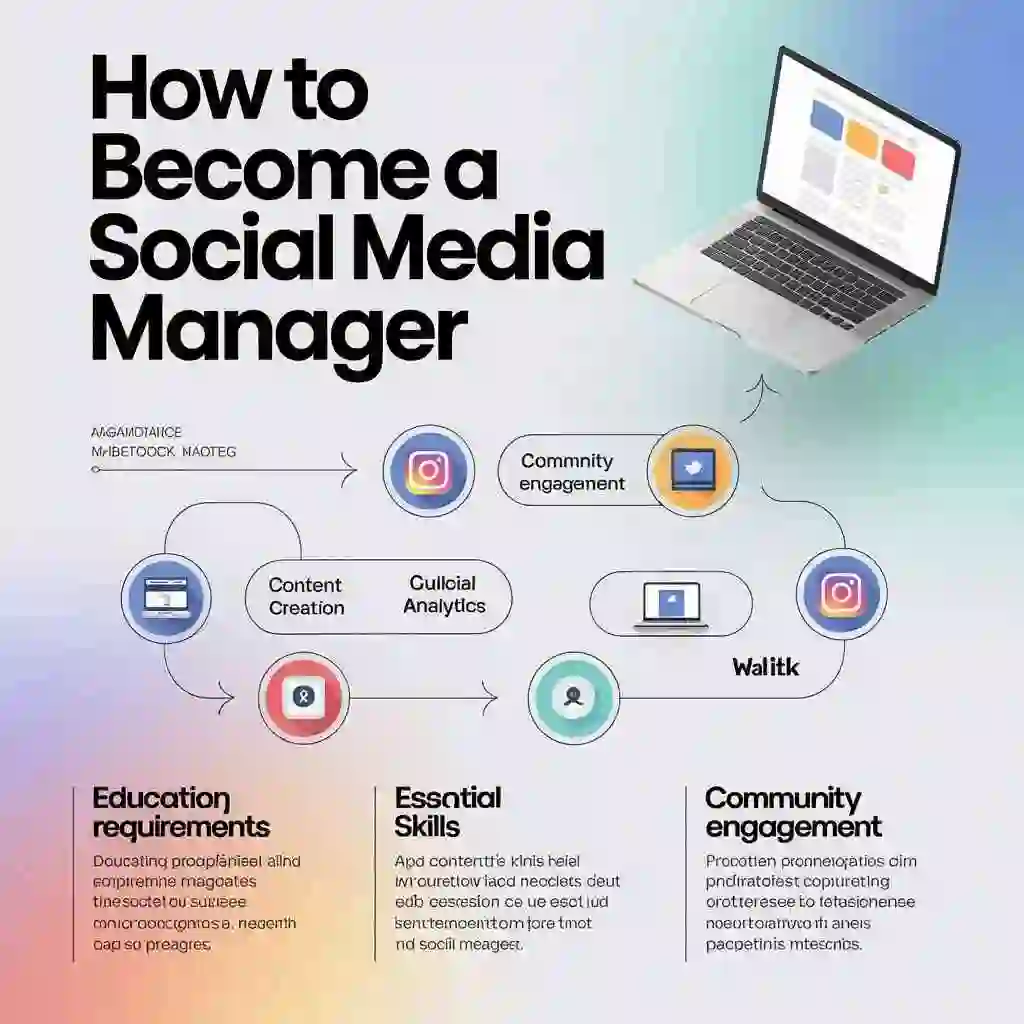
Illustration showing how to become a social media manager with social media marketing skills, content creation, analytics, community engagement, education requirements, and digital marketing tools.

How to Become a Social Media Manager | Step-by-Step

To land a job as a social media manager, you need a mix of basic creative skills, data tracking, and hands-on practice. You do not need a college degree to start. If you want to know how to become a social media manager, the quickest path is to build your own social channels first. This proves you can grow an audience. Next, take free online classes, learn basic design tools, and offer your services to local businesses or charities to build a real portfolio. What Is a Social Media Manager? A social media manager is the online voice of a business. They run social accounts for brands, products, or public figures. Their main goal is to connect with customers, build trust, and help the business grow. This job is not just about posting fun photos or memes. It is a real marketing role. It requires a strategic mind. You must understand what makes people click, share, and buy online. Today, brands rely on these experts to protect their online reputation and drive real sales. What Does a Social Media Manager Actually Do? The day-to-day work varies, but most managers handle a mix of these tasks: Content Creation: Writing short posts, taking photos, and filming quick mobile videos. Scheduling and Posting: Planning when posts go live using calendar tools. Community Management: Replying to comments, answering direct messages, and chatting with followers. Data Analysis: Reading weekly reports to see which posts got the most views and likes. Trend Tracking: Watching for new audio clips, memes, or platform updates to keep the brand relevant. They also coordinate with customer support teams. When a customer complains on a public post, the manager must handle the issue quickly and politely. Why Choose a Career as a Social Media Manager? First, the demand is incredibly high. Almost every business needs an online presence. Second, the work is highly flexible. Many social managers work from home or travel while working. Finally, it is a highly creative field where you can see the direct results of your work in real-time. You also get to work across different industries. One month you might help a fitness brand, and the next you might work with a local restaurant. This variety keeps the work exciting. Core Social Media Manager Skills You Need To succeed, you need to develop two types of skills: creative and analytical. Creative Skills You need to write clear, short text that grabs attention. Basic graphic design and quick video editing skills are also key. You do not need to be a professional filmmaker, but you must know how to edit a clean 15-second video on your phone. Visual storytelling is the most important skill for driving engagement. Analytical Skills You must know how to read basic numbers. You should understand what “engagement rate” means and how to track “reach.” If a post does well, you need to know why so you can repeat that success. You must also learn how to track conversions, which means seeing how many social media followers actually click through to buy a product. Essential Social Media Tools to Learn You do not need to learn every tool on day one. Focus on these three basic categories to start: Scheduling Tools: Learn platforms like Buffer or Later. These let you schedule posts for the entire week in one sitting. Design Tools: Master Canva. It is a simple, free tool that helps you make professional-looking graphics without a design background. Analytics Tools: Learn the built-in analytics inside Instagram, TikTok, and LinkedIn. As you advance, you can learn paid tools like Sprout Social or Hootsuite for deep listening and brand tracking. Education Requirements: Do You Need a Degree? The short answer is no. Most business owners do not care if you have a college degree in marketing. They care about your results. While a degree in communications or business can help, a strong portfolio of successful social accounts is far more valuable to a client. If you can show that you grew an account from zero to 1,000 active followers, that proof beats a diploma every time. Many of the top social managers in the industry are completely self-taught. How to Start Social Media Management: A Step-by-Step Path If you are starting from scratch, follow this simple pathway: 1.Choose Your Niche Pick one or two industries you already love, like fitness, local restaurants, or beauty. It is much easier to write content for businesses you understand. 2.Build Your Own Brand Set up a professional profile on LinkedIn and Instagram. Treat yourself as your first client. Post consistently about social media tips to show off your knowledge. 3.Do Pro Bono Work Find a local shop or a local charity. Offer to run their social accounts for free for one month. This gives you real experience and real data for your portfolio. 4.Gather Case Studies Track your results. Did you increase their Instagram reach by 40 percent? Write that down. This data is what will get you paid clients. How to Build Your Social Media Manager Portfolio Your portfolio is your single most important tool to become social media manager candidates that companies want to hire. Do not make a boring resume. Instead, build a simple, visual portfolio page using tools like Canva, Notion, or a basic website. Your portfolio should include: About Me Section: A short paragraph on who you are, your niche, and why you love social media. Visual Samples: Screenshots of the best posts you created, including the text and hashtags. Data and Results: Clear charts showing how you grew follower counts or engagement. Testimonials: A quick quote from the business or charity you helped. How to Get Your First Social Media Manager Client or Job Once you have a portfolio, you are ready to find paying work. Finding Freelance Clients Look at local businesses in your town. If you see a local bakery with a great product but a dead Instagram page, send them a polite email. Do not just say “I

How to Become a Social Media Manager | Step-by-Step Read More »